はじめての方必見!貸し会議室を選ぶときに参考にしたい5つのポイント
ビギナーさん必見!貸し会議室の選び方
一口に貸し会議室といっても、部屋のレイアウトや広さ、用意された備品などの違いによって、その特徴はさまざまです。
そのため、はじめて貸し会議室を利用する時は、以下のようなポイントを参考に目的に合った最適な貸し会議室を選択しましょう。
Point 1「参加人数」
手軽に借りられて便利な貸し会議室ですが、まずは「参加人数」に応じて希望の部屋を選ぶことがポイントです。
貸し会議室によって、人数制限が設けられている場合もあれば、少人数に強い場合や100人以上の利用にも適した貸し会議室もあるため、参加人数に見合った広さの部屋を選ぶようにしましょう。
また、参加人数といっしょに考慮したい点が、机や椅子などを置くスペースが必要かどうか、という点です。通常の会議や打ち合わせ、セミナーなどの場合、テーブルや椅子が必要になります。一方、立食パーティーなど、参加者一人ひとりに座席を設ける必要がない場合は、テーブルや椅子を配置するスペースがそれほど必要ありません。
あらゆる種類が存在する貸し会議室を複数に絞るためにも、まずは参加人数や用途と照らし合わせながら適切な広さの貸し会議室を選ぶようにしましょう。
Point 2「立地」
貸し会議室を利用するメリットの一つに「アクセスのよさ」が挙げられますが、首都県内に限らず、さまざまな地方からセミナーや研修に参加する方もいることから、「立地」を参考に最適な貸し会議室を選ぶことをおすすめします。
新幹線を利用して訪れる参加者が多い場合は、首都圏であれば乗り換えをする必要がない東京駅周辺に位置する貸し会議室が便利です。また、荷物を持ちながらの移動になっても苦にならないように駅直結、あるいは駅から徒歩数分圏内でアクセスできる場所であれば喜ばれるはずです。
参加人数が多くなればなるほど、そのエリアの土地勘のない人でもわかりやすい場所に位置していたほうが親切ですし、最寄り駅への路線の本数が充実していることも貸し会議室選びにおける大切なポイントです。
Point 3「予算」
貸し会議室の利用に必要な費用を把握するためにも、事前に見積もりを依頼することが大切です。見積もりを依頼する際は、あらかじめ「予算」を決めておくと予算を考慮した提案を受けることができます。
また、予算を設定する場合は、急遽参加人数が増える可能性を考慮して余裕を持たせた予算設定をしておくと安心です。
貸し会議室の利用料金に、テーブルや椅子などの備品の利用料金がすでに室料に含まれている場合もあれば、備品によってはオプション料金が追加される場合もあります。
そのため、貸し会議室選びをする時は、利用料金に含まれる内容をしっかりと確認することはもちろん、どのようなサービスがオプション料金となるのかを事前に確認しておくようにしましょう。
Point 4「備品」
貸し会議室には、会議や打ち合わせ、セミナー、研修などで使用する備品がすでに用意されていて、他にも必要な備品もレンタル可能な場合がほとんどです。
備品が充実していると、個人的に特殊な機器を手配する手間が省けるため非常に便利です。
ただし、備品によっては貸し会議室の利用料金にすでに含まれている場合もあれば、物によっては別途オプション料金を支払って追加しないといけない場合もあります。また、ある部屋にはプロジェクターがあるのに、また違う部屋にはプロジェクターが設置されていない場合など、部屋の種類や広さによって設置されている備品が異なる場合があります。
このように、貸し会議室の種類によって用意された備品の種類が異なる可能性があるため、どのような備品が必要になるのかをリストアップして、該当する備品が希望する部屋に設置されているかどうかを必ず確認しておきましょう。
その他、当日急遽予定になかった備品を利用する可能性もあるので、万が一利用することになった場合の追加料金や在庫の有無も確認しておくとさらに安心です。
Point 5「レイアウト」
利用目的や参加者に合わせて、その都度適切な「レイアウト」を選択しましょう。
例えば、通常の会議や打ち合わせ、大切なクライアントとの商談などは、「ロの字形式」や「コの字形式」がおすすめです。
セミナーや講演会、勉強会の場合は、講師や発言者に参加者の注目を集めるために、「スクール形式」や「シアター形式」のレイアウトがおすすめです。
グループディスカッションや新人研修などでは、グループごとに分かれてテーブルや座席を食合わせた島を複数つくる「アイランド形式」のレイアウトがおすすめです。
貸し会議室を選ぶときは、大人数にも対応できるくらいのスペースを確保できる場所を選ぶことも大切ですが、同時に様々なレイアウトを試せる貸し会議室を選ぶことも大切です。
貸し会議室を利用するときの注意点
利用者の用途にあわせて自由自在に利用できる貸し会議室ですが、ここでいくつか注意しておきたいことを紹介します。
利用規約をしっかり確認する!
貸し会議室を利用する前に、必ず「利用規約をしっかり確認する」ようにしましょう。
利用料金に関することはもちろん、万が一キャンセルが必要になった場合のキャンセル規定、予定よりも時間がオーバーしてしまった場合の追加料金や利用時間など、不測の事態を踏まえた上で利用規約を何度も読み返しておきましょう。
防音設備の有無を確認!
貸し会議室は幅広い用途で利用されますが、そこで注意したいのが「防音設備の有無」です。
人数が多いほど、遠くの人まで声が届きやすいようにマイクや音響設備を使用する機会が増えます。また最近は、法人以外に個人で貸し会議室を利用される方も多いため、パーティーやイベントなどを開いて大きな騒音が予想される場合は、他の部屋の迷惑にならないように防音設備が有るかどうかを事前に確認しておくことが大切です。
現場の下見は入念に!
ホームページで会議室の広さや備品の種類などを確認したから大丈夫!と思っていても、実際に当日になったら「必要なものがなかった」、「イメージしていたよりも部屋が狭かった」など、後になって後悔することがあります。そのため、貸し会議室をはじめて利用する場合は、事前に現場の下見を入念に行うようにしましょう。
電話やメールだけのやり取りだけで申し込みを完了させてしまうのでなく、当日必要な備品や会議室のレイアウトなどの詳細を利用前に細かく打ち合わせをしておくことが大切です。
まとめ
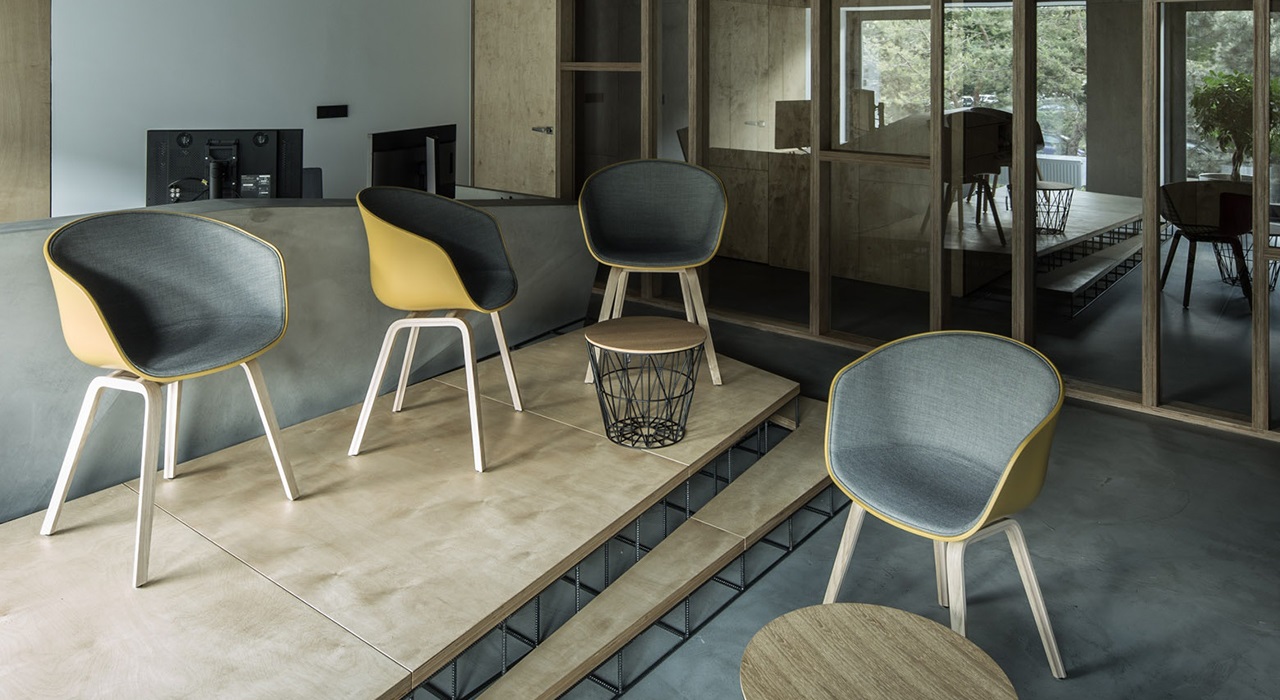
[デザイナールーム]利用者の用途に合わせて自由自在にレイアウトや部屋の広さなどを調節できる貸し会議室は、ビジネス目的での利用はもちろん、個人での利用にもおすすめです。
貸し会議室を効果的に利用するためにも、今回紹介した選び方のポイントや注意点を参考に目的に合った最適な貸し会議室をお選びください。![]() コンタクトレンズの通販
コンタクトレンズの通販
ベトナムオフショア開発
ベトナムオフショア開発
ベトナムラボ型開発
ベトナムラボ型開発
資金繰り表 作成